The feed is part of the marketing system
Product feeds are often treated as technical plumbing: something that moves catalogue data from a store into Merchant Center or another channel. In practice the feed determines what information a channel has available to understand and match products.
Common problems worth checking
- Titles that omit important product attributes
- Missing or inconsistent GTINs and brand data
- Incorrect availability or price mismatches
- Weak product type and category structures
- Variant data that does not describe the real purchasable item
- Low-quality or inconsistent images
- Promotions and shipping data that do not align with the website
Why this becomes an organisational issue
The feed usually inherits decisions made much earlier in the catalogue. If colour, size, condition, material or model data is inconsistent at source, every channel receives the consequences. Sustainable feed optimisation often means clarifying ownership and fixing data upstream rather than adding endless downstream rules.
When to get a second opinion
If spend has changed sharply, products are repeatedly disapproved, coverage is poor or a new feed-management contract is being proposed, an independent review can help separate data problems, campaign problems and genuine market changes before more budget is committed.
Automotive decision platform
Make the decision itself clear, show the assumptions and put useful evidence before a sales route.
View case study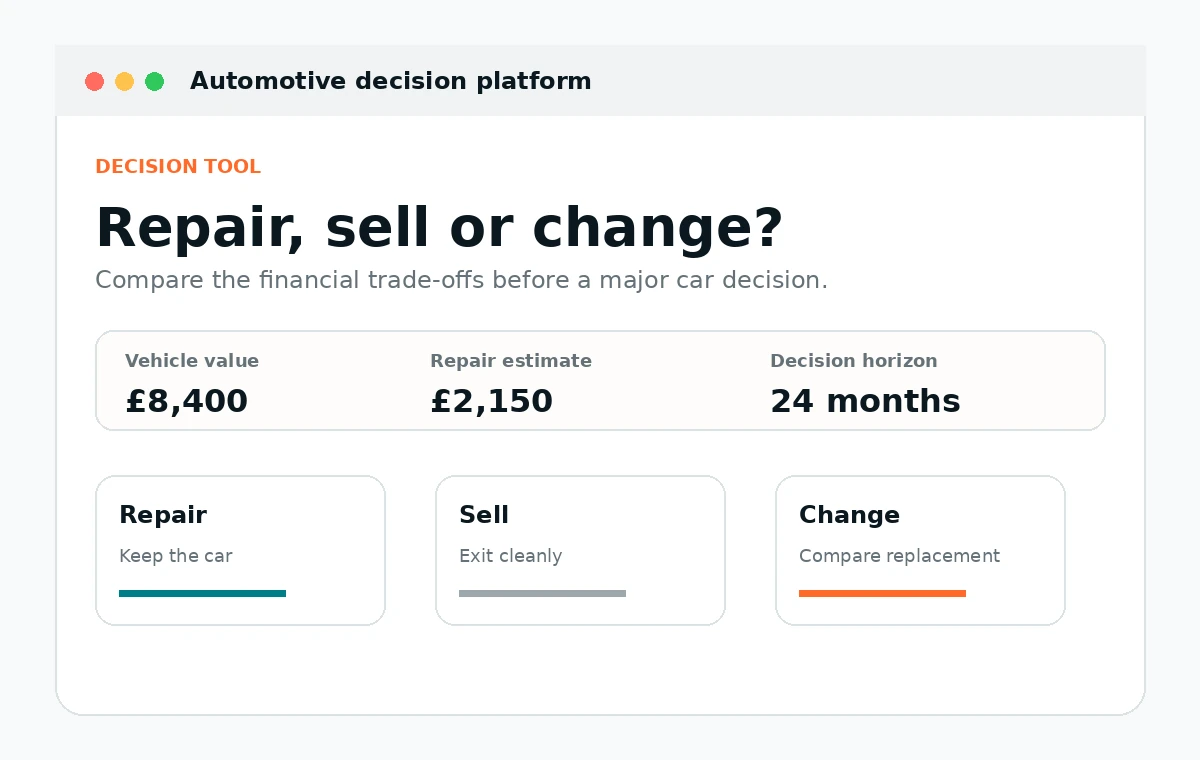
Want this applied to your business rather than just explained?
Websites